
Reviewed · COLOMBO COOKING CLASSES
Colombo Cooking Class
Sri Lankan food makes more sense once you see how its curries, hoppers, spices, and side dishes come together. This private Colombo cooking class takes you into a local home kitchen, where you prepare at least 10 dishes with a home cook before sitting down to eat the results.
I like the hands-on format, and I like that the food is taught as part of daily life rather than as a stack of restaurant recipes. The class can also work well for vegetarians, with Piumi preparing ten vegetarian curries for one guest.
The main consideration is the meeting point at No 275/1, B231, Angoda, outside the central tourist core. Allow time to reach it, and confirm the exact start time because the listed lunch and dinner hours can change by agreement.
In This Review
- Key points to know before booking
- Why this Colombo class is more than a recipe lesson
- Arriving at the Angoda home kitchen
- Preparing at least 10 Sri Lankan dishes
- The role of a local home cook
- Vegetarian options and dietary planning
- From egg hoppers to the final dessert
- What the $60 price includes
- Who will enjoy this private cooking lesson
- Booking details, timing, and cancellation
- Should you book the Colombo Cooking Class?
- FAQ
- Where does the Colombo Cooking Class take place?
- How long does the cooking class last?
- How many dishes will I prepare?
- What types of food might I learn to make?
- Is the class private?
- What time does the class start?
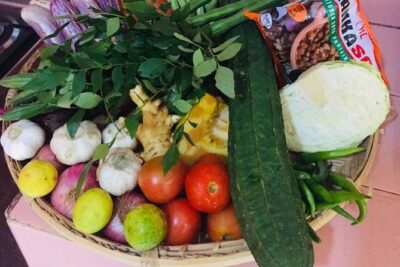
- Are ingredients included?
- Can I cancel for a full refund?
Key points to know before booking
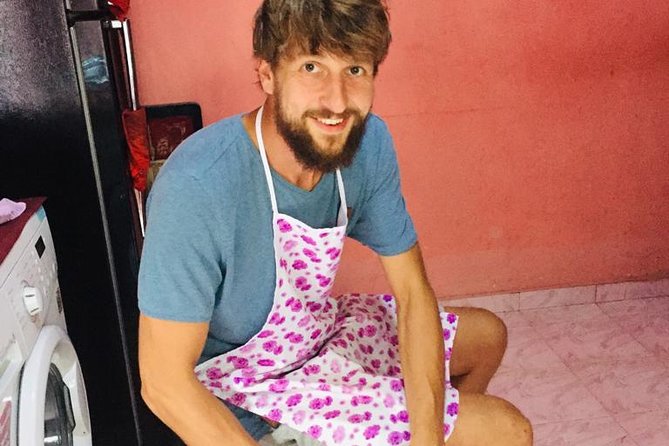
- Ten or more dishes: Prepare egg hoppers, curries, traditional desserts, and other Sri Lankan dishes in one session.
- A private home setting: Your group cooks with a local family rather than joining a large shared class.
- Lunch or dinner choice: Lunch generally begins at 10am, while dinner generally begins at 4pm.
- Vegetarian-friendly format: The menu can include ten vegetarian curries, based on the cooking session described by a guest.
- Three hours with a meal included: Ingredients are supplied, and you eat what you prepare.
- Angoda meeting point: The class starts and ends at No 275/1, B231, Angoda 10600, Sri Lanka.
Why this Colombo class is more than a recipe lesson
Sri Lankan cooking is built around balance. Rice needs curries with different textures. A hot dish benefits from something sour, creamy, crisp, or sweet beside it. A meal may look like a long list of separate plates, but each one has a job.
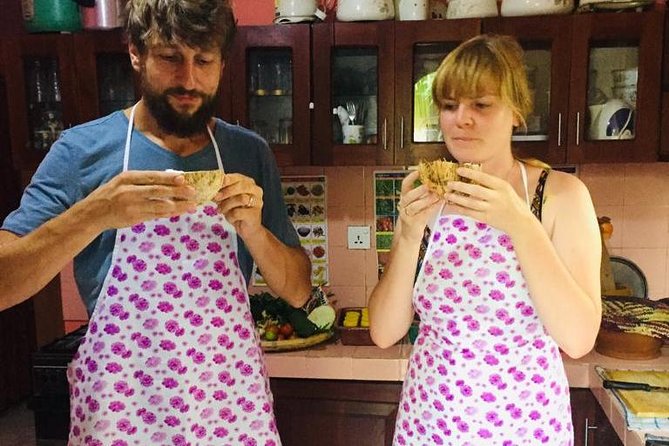
That is why this class is useful. You are not simply shown how to make one curry and sent home. You prepare a broad meal, with at least 10 dishes and a traditional dessert included. The variety gives you a better sense of how Sri Lankan food works at home.
The setting matters, too. This is a private class with a local home cook, not a formal demonstration in a cooking school. You can ask questions as you go, adjust the lesson around your group, and focus on the parts of the meal that interest you most.
Piumi is named as one of the cooks associated with the experience. A vegetarian guest had ten different vegetarian curries prepared during the lesson, which shows that the class can be adapted beyond the usual fish and meat dishes.
At $60 per person, the price is not the cheapest way to eat in Colombo. It is fair value if you want instruction, a cultural exchange, a private booking, ingredients, and a full meal in one package. If your only goal is to sample inexpensive Sri Lankan food, local restaurants will cost less. If you want to understand how that food is made, the class offers more.
More cooking classes in Colombo:
- Market Tour and Hands-On Cooking Class Colombo
★ 5.0 · 140 reviews - Cooking Class Sri Lanka with Locals
★ 5.0 · 101 reviews - Vegan Cooking Class Colombo with Market Tour
★ 5.0 · 9 reviews
Arriving at the Angoda home kitchen
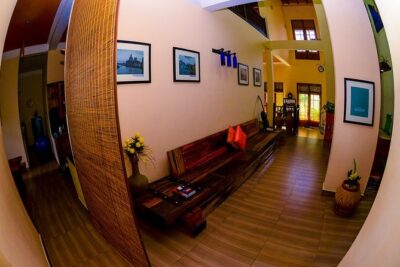
The meeting point is No 275/1, B231, Angoda 10600, Sri Lanka. The activity returns to this same point at the end, so you do not need to arrange a separate finish location.
Angoda is important to plan around. The class is described as a Colombo experience, but the address is not a central hotel lobby or a well-known landmark in the city center. Use the full address when arranging your journey and allow extra time to get there. The meeting point is near public transportation, though the supplied information does not specify a particular bus, train, or pickup service.
The class is available daily, with lunch normally starting at 10am and dinner normally starting at 4pm. These times can change according to the availability of both the host and your group, so do not assume the standard time is fixed until your booking is confirmed.
Because the session lasts about three hours, the timing shapes your whole day. A 10am start leads naturally into lunch. A 4pm start gives you a cooking lesson followed by dinner. If you have a packed sightseeing schedule, choose the session that leaves enough room for the journey to Angoda and the meal afterward.
Preparing at least 10 Sri Lankan dishes
The class begins with preparation and cooking, rather than simply watching someone else work. You receive hands-on guidance as you help create at least 10 dishes.
The specific menu can vary, but the advertised examples include egg hoppers, curries, traditional desserts, and other local dishes. Egg hoppers are a good introduction to Sri Lankan food because they combine a crisp, bowl-shaped edge with a softer center. They also show why technique matters as much as ingredients.
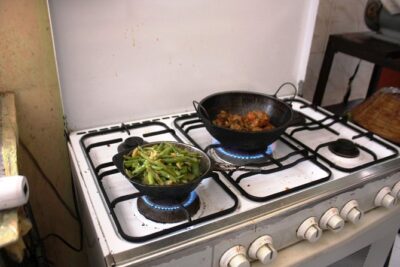
Curries form the heart of the lesson. Making several dishes together helps you compare the way different ingredients respond to the same kitchen. You learn through repetition, but the results are not repetitive. A spread of curries can include different levels of heat, color, texture, and richness.
The number of dishes is a real strength, but it also means the class moves at a useful pace. This is not a slow, single-recipe workshop. You will be chopping, mixing, cooking, and moving between dishes. If you prefer an easygoing lesson with long demonstrations, the amount of food may feel demanding.
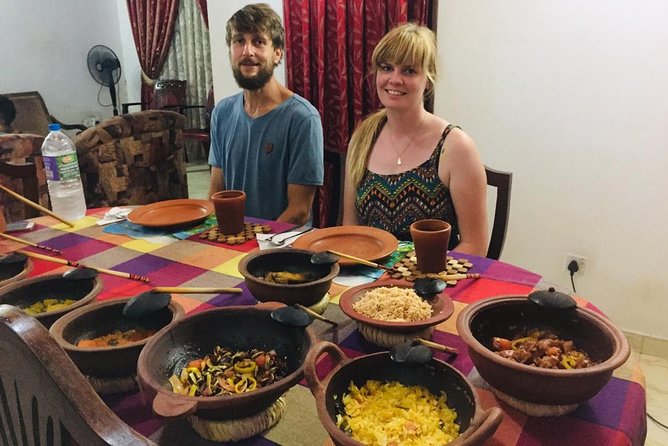
The benefit is the final meal. Instead of taking home a small container of one recipe, you sit down to a table filled with the dishes your group helped prepare. That makes the lesson feel connected to the way Sri Lankan food is actually enjoyed.
The role of a local home cook
The class is built around a local family and home kitchen. That gives the food a personal frame. You are learning what a household might prepare, not just what a restaurant places on a menu.
A home cook can also explain choices that a printed recipe cannot. You can ask why a curry is paired with a certain side dish, how a dessert fits into the meal, or which steps matter most. The supplied information does not promise a fixed teaching script, and that is likely a benefit for people who prefer conversation and practical guidance.
One guest described the experience as an insight into Sri Lankan life and the role food plays in daily routines. That cultural side is central to the value. You get food instruction, but you also get a look at the way cooking organizes a meal and brings people together.
The class is private, so only your group participates. This makes it easier to ask for help and discuss dietary needs. It also means the feel of the session depends on your own group size and energy. A small group may receive more direct attention, while a larger private booking could feel busier in a home kitchen.
The host is described as kind and friendly, and Piumi is specifically praised for both cooking and teaching. You should still view the experience as a personal home lesson rather than a professional chef certification course. The goal is understanding and participation, not technical training at culinary-school level.
A different kind of day, still starting in Colombo:
- Colombo: Private Tuk-Tuk City Tour with All Entry Fees
★ 4.9 · 2,154 reviews - Sri Lanka Personal Tour Driver in private vehicle
★ 5.0 · 747 reviews - Colombo Tuk Tuk City Tour -Sightseeing Entry Fees & Food Included
★ 5.0 · 678 reviews - Udawalawe National Park: Elephant Safari with Expert Guide
★ 4.9 · 641 reviews
Vegetarian options and dietary planning
Vegetarians have a clear reason to consider this class. One session involved preparing ten different vegetarian curries, followed by a full vegetarian lunch. That is more useful than simply removing meat from a standard menu.
Sri Lankan cooking is well suited to a vegetable-focused meal because curries and side dishes can carry the plate. A vegetarian menu can still have variety in texture, seasoning, and heat. You should state your dietary needs when booking so the host can plan the ingredients and dishes.
The available information confirms a vegetarian example, but it does not list every possible dietary restriction or guarantee a particular menu. If you have allergies or strict requirements, ask for confirmation before the class. Do not rely on a general preference note made at the last minute.
The same advice applies to fish, meat, dairy, and spice preferences. A fish curry is included among the dishes made during one reported session, but that does not mean every booking receives the same menu. Think of the listed dishes as examples rather than a fixed restaurant-style order.
From egg hoppers to the final dessert
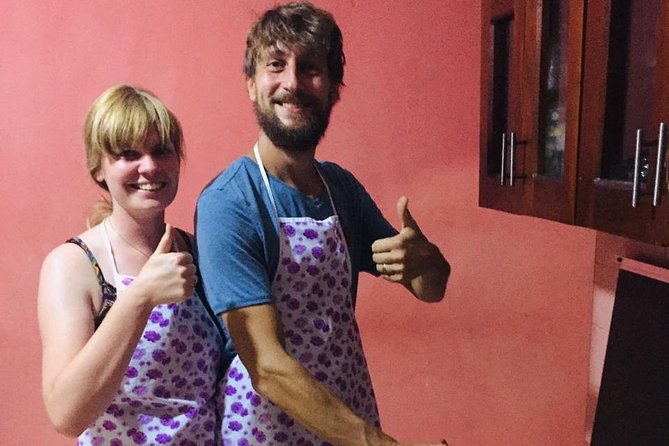
The meal has a clear rhythm. You start with preparation, move through several savory dishes, and finish with a traditional dessert before eating everything together.
Egg hoppers provide a memorable early dish. They are also a practical lesson in shaping and timing. Curries then make up the main body of the cooking, with the group working through several recipes rather than placing all attention on one pot.
The dessert is a welcome part of the plan. Many cooking classes stop once the main course is ready, but a traditional sweet gives you another taste of local food culture. It also rounds out the meal and makes the session feel like a complete lunch or dinner.
Expect the cooking itself to be active. You are not just taking notes while the host handles the difficult parts. The experience is advertised as a hands-on cooking lesson, so be ready to take part in preparation and cooking under guidance.
At the end, you eat the food you made. This is where the class earns much of its appeal. You can judge the seasoning, texture, and balance while the instructions are still fresh in your mind.
What the $60 price includes
The $60 price per person includes the cooking experience, ingredients, instruction, and the meal you prepare. Since the class is private, the cost also buys a more personal format than a large group demonstration.
That is a reasonable package for someone who values food and culture equally. You receive about three hours of activity, a substantial meal, and the chance to learn multiple dishes. The value is strongest if you plan to use what you learn later, since ten dishes give you more ideas than a single-recipe class.
The value is weaker if you are comparing it only with the price of eating in Colombo. Sri Lankan meals can be inexpensive, and a restaurant visit requires no work. Here, preparation is part of the experience. You pay for time with a local cook and for the chance to understand the food from the kitchen side.
Ingredients are included, so you do not need to shop before arriving. The supplied information does not mention recipe handouts, hotel transfers, drinks, or take-home ingredients. If any of those matter to you, ask before booking rather than assuming they are part of the $60.
The experience is often reserved well ahead of time, with an average booking lead of about 18 days. That is a useful planning clue. Daily availability does not mean every time slot will remain open, especially if you need a specific lunch or dinner time.
Who will enjoy this private cooking lesson
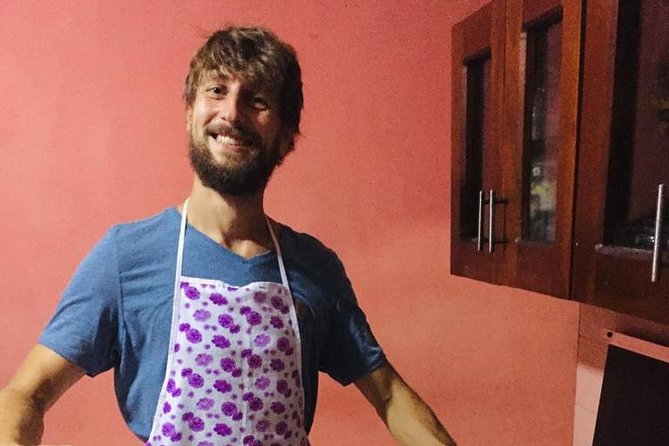
I would recommend this class to people who want a personal connection to Sri Lankan food. It suits couples, families, and small groups who enjoy working together and sharing a large meal afterward.
It is also a strong choice for vegetarians, provided the menu is confirmed in advance. The ten-vegetarian-curry example shows that the class does not need to revolve around fish or meat.
Food lovers who have already eaten Sri Lankan dishes will get something different here. You can connect the curries and hoppers on your plate with the methods used to make them. That makes later restaurant meals easier to understand and gives you a better sense of what to order.
The class may not suit you if you want a central Colombo activity, a quick one-hour demonstration, or a fixed menu with exact dish names guaranteed. The Angoda address requires planning, and the menu can be shaped around the host and your group.
It is also worth considering your comfort with a home setting. Some people find a family kitchen more welcoming than a commercial school. Others prefer polished facilities and a predictable schedule. This experience clearly favors the first style.
Booking details, timing, and cancellation
Confirmation is provided at the time of booking. The experience is available every day, with lunch usually at 10am and dinner usually at 4pm, though the start time can change by agreement.
The activity ends back at the same Angoda meeting point. Mobile tickets are supported, and service animals are allowed. Public transportation is nearby, but no specific transport arrangement is included in the supplied details.
You can cancel for a full refund if you do so at least 24 hours before the local start time. Cancellations or changes made less than 24 hours before the experience are not accepted for a refund.
Should you book the Colombo Cooking Class?
Book it if you want to cook with a local family, prepare a wide range of Sri Lankan food, and eat a proper meal at the end. The private format, hands-on work, vegetarian flexibility, and 10-dish menu give it more substance than a quick cooking demonstration.
Think twice if you are staying far from Angoda, have only a narrow window in Colombo, or want a formal culinary course. For everyone else, $60 is a sensible spend for three hours of cooking, cultural insight, and lunch or dinner made by your own hands.
FAQ
Where does the Colombo Cooking Class take place?
The class starts at Colombo Cooking Class, No 275/1, B231, Angoda 10600, Sri Lanka. The activity ends back at the same meeting point.
How long does the cooking class last?
The cooking class lasts approximately three hours.
How many dishes will I prepare?
You will prepare at least 10 different Sri Lankan dishes, including traditional desserts.
What types of food might I learn to make?
Examples include egg hoppers, curries, traditional desserts, and other local dishes. A fish curry was included in one session, while another session focused on ten vegetarian curries.
Is the class private?
Yes. This is a private activity, and only your group participates.
What time does the class start?
Lunch sessions generally start at 10am, and dinner sessions generally start at 4pm. The time can change according to the availability of the host and your group.
Are ingredients included?
Yes. Ingredients are included in the cooking class price.
Can I cancel for a full refund?
Yes. You can receive a full refund if you cancel at least 24 hours before the experience start time. Cancellations or changes made less than 24 hours before the start are not accepted for a refund.
More Workshops in Colombo
- Authentic Sinhalese Cooking Class in Colombo with a Local Family
★ 5.0 · 9 reviews - Cooking class in Srilanka
★ 5.0 · 8 reviews - Market Tour and Cooking Class from Colombo
★ 5.0 · 5 reviews - Colombo: Jewelry Workshop Experience 3-6 Hours-Free Jewelry
★ 3.8 · 3 reviews
Just added around Colombo
- Sri Lanka: Sinharaja rainforest tour from Colombo, Bentota★ 5.0 · 3 reviews
- From Colombo: Yala National Park Safari with Transfer★ 5.0 · 3 reviews
- All-inclusive Sigiriya, Dambulla and Wildlife Safari from Colombo★ 5.0 · 3 reviews
- Colombo: Local Food Tour & Sightseeing by Tuk-Tuk with Meals★ 4.0 · 3 reviews
- Colombo City to Dambulla City Private Transfer★ 5.0 · 3 reviews
- Safari Day Tour to Sigiriya Lion Rock and Golden Cave Temple★ 5.0 · 3 reviews
- Airport Taxi Transfers from Colombo Airport to Sigiriya★ 4.5 · 3 reviews
- Day Excursion to Yala National Park From Colombo★ 4.5 · 3 reviews
Colombo Cooking Classes, compared.
Authentic Sinhalese Cooking Class in Colombo with a Local Family
Read our review →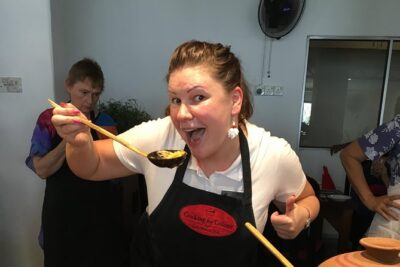
Browse the lists this tour appears in