
Reviewed · COLOMBO COOKING CLASSES
Market Tour and Cooking Class from Colombo
Sri Lankan cooking makes the most sense when you see the ingredients before they reach the pot. This private Colombo class takes you through Pettah’s fresh-produce stalls before bringing you back to a cooking studio for a home-style rice-and-curry meal.
I like the market visit because you are not simply handed a fixed recipe. I also like that the class ends with a proper lunch or dinner, not just a few bites. The main drawback is the price: at $120 per person, this is a serious splurge for four hours, especially if you are traveling alone.
In This Review
- Key points to know before booking
- Why the Pettah market visit matters
- From fresh produce to a Colombo kitchen
- A meal at the end, not just a lesson
- What makes the class private
- Morning class or late-afternoon class?
- The $120 question
- Pettah is useful, but not a gentle introduction to Colombo
- Who will get the most from this class?
- Practical details that shape the day
- Should you book the Colombo market cooking class?
- FAQ
- How long does the cooking class last?
- What time does the morning session begin?
- What time does the afternoon session begin?
- Is the market visit included?
- What food will I learn to cook?
- Is a meal included?
- Is this a private activity?
- How will I get to Pettah Market?
- Does the activity operate on Sundays?
Key points to know before booking
- Pettah comes first: Shop for fruits, vegetables, and spices with your chef before cooking.
- A private class: Only your own group takes part, so the pace can be more personal than a large group lesson.
- Two useful time slots: Start at 9:45 am for lunch or 3:45 pm for dinner.
- A practical menu: Learn a Sri Lankan rice-and-curry meal, including a breadfruit curry and fish or meat main.
- Transport is weather dependent: The short trip to the market is by tuk tuk or car.
- A named host appears in the feedback: Piumi is praised for an engaging private class held in her home, though the standard meeting information refers to a cooking studio.
Why the Pettah market visit matters
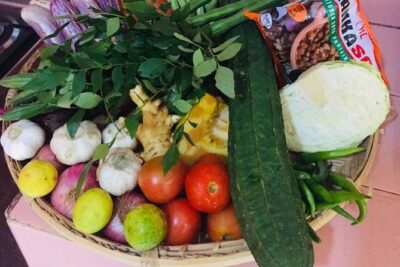
The best part of this class is that cooking begins before anyone picks up a knife. You meet your chef at the Colombo cooking studio, then head to Pettah to select the produce and spices that will shape your meal.
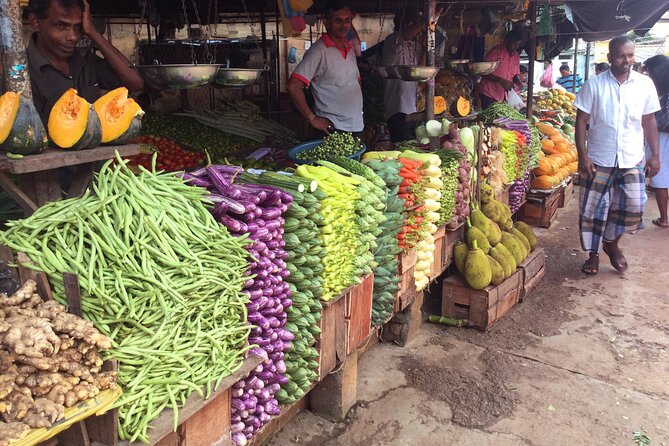
Pettah is one of Colombo’s oldest commercial areas. Its market streets pass old warehouses, worn cobblestones, and sections where one trade area quickly gives way to another. This is not a polished food hall designed for sightseeing. It is a working market, and the fresh-produce section gives you a direct look at the ingredients used in everyday Sri Lankan cooking.
You will focus on fruits and vegetables rather than making a grand tour of every part of Pettah. That narrower focus is useful. A market can become tiring when you are led from stall to stall without a clear purpose. Here, what you see should connect directly to what you cook later.
You may also visit spice stalls. The details of the shopping stop are not fixed in the information provided, so your exact route and purchases can depend on the day’s cooking plan and what is available. That is part of the point. Sri Lankan home cooking is not always built around one rigid list of ingredients.
The transfer to Pettah is by tuk tuk or car, depending on the weather. A tuk tuk gives you a closer feel for the city, while a car is the more practical choice in poor weather. The activity requires good weather, so a rain cancellation is possible. If that happens, you are offered another date or a full refund.
More cooking classes in Colombo:
- Colombo Cooking Class
★ 5.0 · 151 reviews - Market Tour and Hands-On Cooking Class Colombo
★ 5.0 · 140 reviews - Cooking Class Sri Lanka with Locals
★ 5.0 · 101 reviews
From fresh produce to a Colombo kitchen
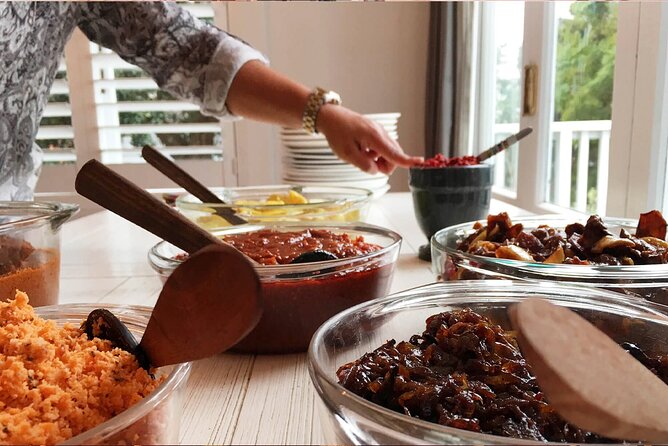
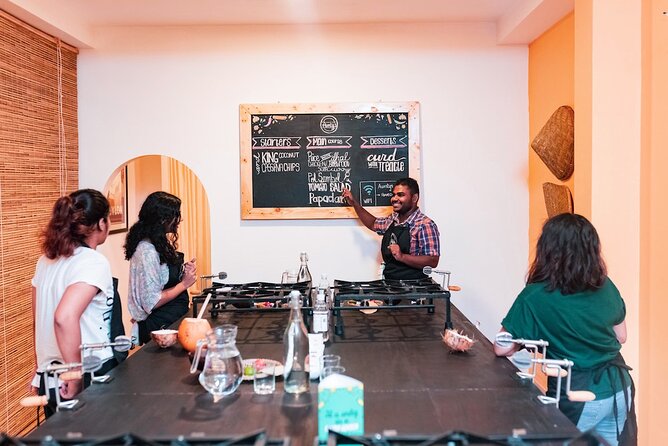
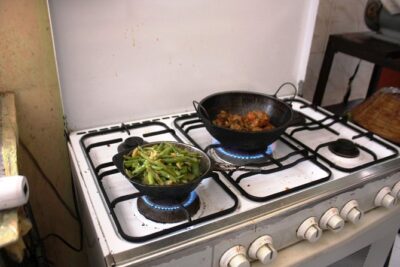
After shopping, you return to the cooking studio for the workshop. The class teaches an essentially Sri Lankan home-cooked rice-and-curry meal rather than a restaurant-style tasting menu.
The information also identifies a breadfruit curry and a fish or meat dish as part of the cooking plan. That combination gives you a useful sample of Sri Lankan food: a vegetable preparation with a distinct local character, plus a main course built around fish or meat.
Breadfruit is especially interesting for a cooking lesson because many visitors know little about how it is used. It has a starchy, filling quality and works well in a curry. Learning to prepare it gives you something more useful than another familiar potato dish. You can see how a local ingredient becomes part of a complete meal.
The class is intended to teach methods you can repeat at home. That matters because Sri Lankan curries are often less about following exact quantities and more about understanding how ingredients work together. You can ask your chef about the order of preparation, the role of spices, and how the vegetable and main dishes fit with rice.
The supplied details do not specify the number of recipes, the cooking equipment, or the precise fish, meat, and spice choices. I would not book this expecting a published menu with guaranteed ingredients. Book it if you like the idea of cooking from what is fresh and available in the market.
A meal at the end, not just a lesson
When the workshop ends, you sit down to eat the meal you helped prepare. The morning session finishes at about 2:00 pm, making it a late lunch. The late-afternoon class ends at about 8:00 pm, giving you dinner.
I like this structure. A cooking class can feel rushed when the food is whisked away for someone else to serve, or when you finish with a tiny sample and leave hungry. Here, lunch or dinner is included, and the meal gives you a chance to appreciate the cooking as a whole.
The timing deserves a close look. The published start times are 9:45 am and 3:45 pm, while the stated end times are approximately 2:00 pm and 8:00 pm. That makes the actual schedule a little longer than a strict four hours, so leave room around the activity rather than booking a tight connection afterward.
If you are planning a morning sightseeing schedule, the class takes up most of the middle of the day. The evening option may fit better after a hotel breakfast and an earlier city visit. On the other hand, you should not plan a late-night activity immediately after the evening class, since dinner and the workshop run until about 8:00 pm.
What makes the class private
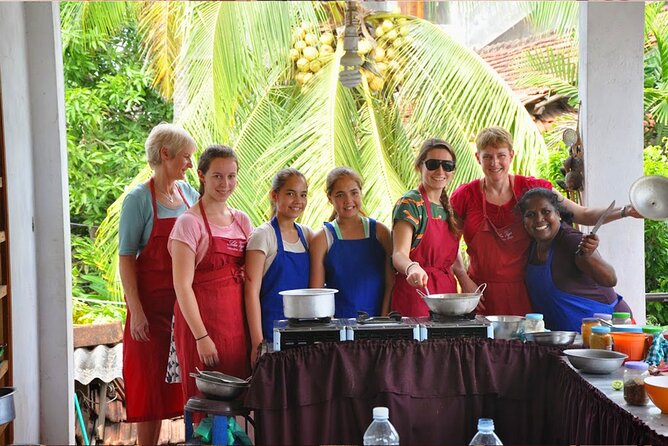
Only your own group participates. That is a real benefit if you want to ask questions, work at a comfortable pace, or spend more time on a dish that is unfamiliar to you.
A private setting can also make the class feel less like a performance. You are not competing for a place at a shared counter or trying to hear instructions over a large room. The trade-off is value. A private class costs more than a standard group cooking lesson, and the $120 price is charged per person.
One piece of feedback names Piumi as the host of a private cooking class in her home. The description for this activity gives the starting point as a cooking studio, so the exact setting may depend on the arrangement for your booking. Piumi was praised for being informative, engaging, and fun, with the food described as excellent. That is useful context, though it does not guarantee that Piumi will lead every date.
The feedback is limited, with five ratings producing an overall score of 4.8. I would treat that as encouraging but not as a large statistical record. The strongest signal is clear: the host’s personal approach and the quality of the finished food are central to the appeal.
A different kind of day, still starting in Colombo:
- Colombo: Private Tuk-Tuk City Tour with All Entry Fees
★ 4.9 · 2,154 reviews - Sri Lanka Personal Tour Driver in private vehicle
★ 5.0 · 747 reviews - Colombo Tuk Tuk City Tour -Sightseeing Entry Fees & Food Included
★ 5.0 · 678 reviews - Udawalawe National Park: Elephant Safari with Expert Guide
★ 4.9 · 641 reviews
Morning class or late-afternoon class?
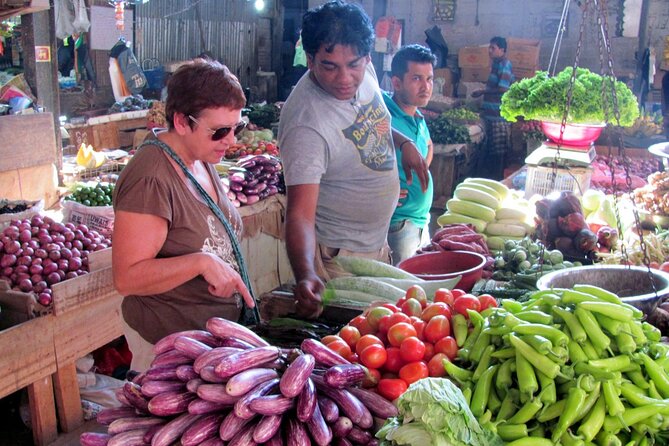
The morning session begins at 9:45 am and ends at roughly 2:00 pm. Choose it if you want to shop while the day is still moving, eat lunch, and keep your evening free.
The late-afternoon session begins at 3:45 pm and ends at about 8:00 pm. It works well if you prefer a slower start or want the cooking class to serve as your evening meal.
Both options include the market visit, workshop, and meal. The choice is mainly about how you want to arrange your day in Colombo.
The class does not operate on Sundays. It is available on the other days of the week. Confirmation is provided at booking, and the meeting address and directions are sent to you. The stated starting point is the cooking studio, while the meeting-point details also identify Pettah, Colombo. Since the chef takes you to Pettah after meeting you, check the final directions carefully before setting out.
The $120 question
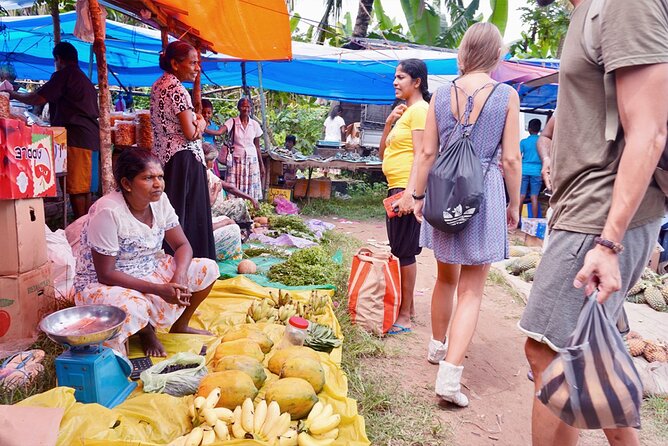
At $120 per person, this is not a bargain cooking demonstration. The price makes more sense when you count the full package: a private guide, a market visit, transport to and from Pettah during the activity, ingredients, instruction, and a complete lunch or dinner.
You are also paying for context. A recipe card alone cannot show you how a local market is arranged, how produce is selected, or how a chef turns ordinary ingredients into a Sri Lankan meal. If you value personal instruction and a small-group setting, the cost may feel fair.
The value is weaker if your main goal is simply to eat Sri Lankan food. Colombo has less expensive ways to enjoy curry, and a short group lesson would likely cost less. This activity earns its price through the market-to-table format and private attention, not through the meal alone.
Group discounts are available, but the supplied details do not state the discount amount or the number of people needed to receive it. If you are traveling with family or friends, the per-person price may become easier to justify, but ask for the exact group rate before you commit.
Gratuities are optional, and personal expenses are not included. Bring a little flexibility for anything outside the planned activity, though no specific extra costs are listed.
Pettah is useful, but not a gentle introduction to Colombo
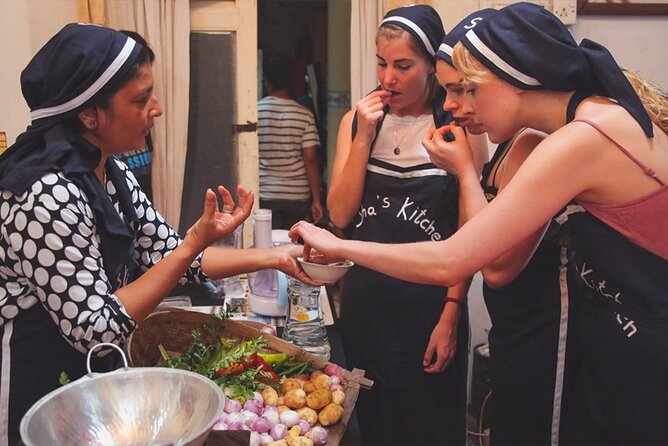
Pettah’s appeal is its everyday character. The old warehouses, worn lanes, produce stalls, and spice sellers give you a sense of how Colombo’s commerce works beyond its hotels and formal attractions.
The drawback is that a working market can feel less orderly than a purpose-built culinary venue. You may encounter uneven cobblestones, busy passages, or changing conditions. The tour information does not promise a quiet walk or a carefully staged market presentation. You should expect a practical shopping trip connected to your meal.
The market stop is also brief in purpose. You are there to buy cooking ingredients, not to cover every historic corner of Pettah. That focus will suit you if you want food knowledge. If you want a full walking tour of the district, this class is not designed for that.
Transport helps keep the visit manageable. You do not have to make your own way from the studio to the market, and the chef accompanies you. The vehicle depends on the weather, so the short journey may feel different from one date to another.
Who will get the most from this class?
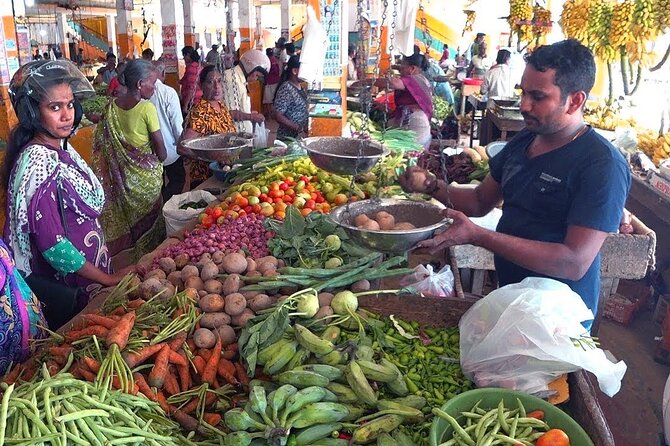
I would recommend it most strongly to anyone who wants to bring Sri Lankan cooking home. The value lies in learning how a meal is assembled, not just in eating one.
It is also a good fit for couples, families, and small groups who want a private activity with a clear beginning and end. The market visit gives the class a stronger local connection than a lesson held entirely indoors.
Food-focused visitors will appreciate the chance to see fresh produce and spice stalls before cooking. People who are curious about breadfruit will get a particularly useful local ingredient to work with.
You may want to skip it if you dislike hands-on cooking, have only a short window in Colombo, or are watching your budget closely. Four hours is a large block of time, and the private format pushes the price well above a casual meal.
The available information does not describe dietary substitutions, accessibility arrangements, or the exact meat and fish choices. If those details matter to you, ask before booking rather than assuming the menu can be changed.
Practical details that shape the day
The activity is available every day except Sunday. Choose either the 9:45 am or 3:45 pm start, and allow until roughly 2:00 pm or 8:00 pm for the complete experience.
You receive confirmation when you book. The address and directions to the cooking studio are provided, and the activity ends back at the meeting point.
The tour is near public transportation, though the supplied information does not specify the nearest stop. The market transfer is arranged as part of the class, using a tuk tuk or car depending on weather.
Free cancellation is available if you cancel at least 24 hours before the start time. Changes or cancellations made within 24 hours are not accepted for a refund. If poor weather forces the operator to cancel, you can choose another date or receive a full refund.
Should you book the Colombo market cooking class?
Book this if you want more than a recipe and a meal. The strongest reasons are the visit to Pettah, the private format, and the chance to cook a complete Sri Lankan rice-and-curry lunch or dinner with a local chef.
I would be more cautious if $120 feels high for a four-hour activity or if you want a guaranteed menu and a fully specified venue. The class has a flexible, local-food character, which is appealing, but some details are left open.
For a food-focused stay in Colombo, I think the market-to-table format gives the experience a clear purpose. Go in ready to shop, cook, ask questions, and eat what you make. If that sounds better than simply sitting down to curry, it is a worthwhile splurge.
FAQ
How long does the cooking class last?
The activity lasts approximately four hours, though the listed schedules run from 9:45 am to about 2:00 pm or from 3:45 pm to about 8:00 pm.
What time does the morning session begin?
The morning session begins at 9:45 am and ends at approximately 2:00 pm.
What time does the afternoon session begin?
The late-afternoon session begins at 3:45 pm and ends at approximately 8:00 pm.
Is the market visit included?
Yes. The activity includes a tour of Pettah’s fresh-produce market and spice stalls, with shopping for ingredients used in the cooking class.
What food will I learn to cook?
The class teaches a Sri Lankan home-cooked rice-and-curry meal. The listed dishes include a breadfruit curry and a fish or meat main course.
Is a meal included?
Yes. Lunch is included with the morning session, and dinner is included with the late-afternoon session.
Is this a private activity?
Yes. Only your own group participates in the activity.
How will I get to Pettah Market?
You travel with your chef from the cooking studio to Pettah by tuk tuk or car, depending on the weather.
Does the activity operate on Sundays?
No. The class is available on other days of the week, but not on Sundays.
More Workshops in Colombo
- Authentic Sinhalese Cooking Class in Colombo with a Local Family
★ 5.0 · 9 reviews - Cooking class in Srilanka
★ 5.0 · 8 reviews - Colombo: Jewelry Workshop Experience 3-6 Hours-Free Jewelry
★ 3.8 · 3 reviews
More Markets in Colombo
- Colombo Cooking Experiance with Explore Market
★ 4.7 · 33 reviews - Vegan Cooking Class Colombo with Market Tour
★ 5.0 · 9 reviews - Colombo: Local Market Tour & Cooking Demo with Lunch
★ 4.6 · 3 reviews
Just added around Colombo
- Sri Lanka: Sinharaja rainforest tour from Colombo, Bentota★ 5.0 · 3 reviews
- From Colombo: Yala National Park Safari with Transfer★ 5.0 · 3 reviews
- All-inclusive Sigiriya, Dambulla and Wildlife Safari from Colombo★ 5.0 · 3 reviews
- Colombo: Local Food Tour & Sightseeing by Tuk-Tuk with Meals★ 4.0 · 3 reviews
- Colombo City to Dambulla City Private Transfer★ 5.0 · 3 reviews
- Safari Day Tour to Sigiriya Lion Rock and Golden Cave Temple★ 5.0 · 3 reviews
- Airport Taxi Transfers from Colombo Airport to Sigiriya★ 4.5 · 3 reviews
- Day Excursion to Yala National Park From Colombo★ 4.5 · 3 reviews
Colombo Cooking Classes, compared.
Authentic Sinhalese Cooking Class in Colombo with a Local Family
Read our review →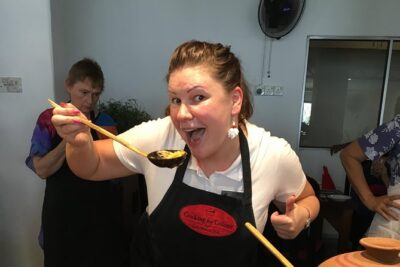
Browse the lists this tour appears in