
Reviewed · COLOMBO COOKING CLASSES
Vegan Cooking Class Colombo with Market Tour
Sri Lankan cooking is less about complicated recipes than the right ingredients, toasted spices, and patient cooking. This private Colombo class lets you learn those details at a local market, then put them to work in a kitchen using traditional clay pots. You begin with fruit juice or a herbal drink, shop for vegetables and spices, and cook a full meal with one-on-one help from your chef.
I like the market visit because it teaches you how to choose produce rather than simply handing you a pre-measured basket. I also like the fully hands-on format, with sauces, spice pastes, fillings, and other parts made from scratch. The main consideration is the menu: despite the vegan title, the listed choices include chicken curry and a local beer, so confirm your dietary needs and preferred dishes before booking.
In This Review
- Key details of the Colombo cooking experience
- Start with a market visit near Sri Lanka’s Parliament
- A private kitchen where you do the work
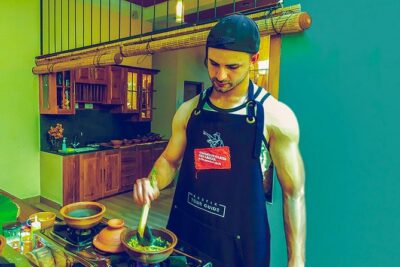
- Clay pots and the slow side of Sri Lankan cooking
- Choose your rice, curry, and leafy mallum
- From spice paste to a full meal
- Finish with buffalo curd, fruit, and tea
- What the $80 price really covers
- Who will get the most from this class
- Timing, meeting point, and small practical details
- Should you book the Colombo vegan cooking class?
- FAQ
- How long does the cooking class and market tour last?
- How much does the experience cost?
- Is the cooking class private?
- Is hotel pickup included?
- Where does the experience start and end?
- What food can I learn to prepare?
- Can I request vegan or vegetarian dishes?
- What happens if the weather is poor?
Key details of the Colombo cooking experience
- Shop before you cook: Visit a local market and learn how to select vegetables, spices, and other ingredients.
- Use seasoned clay pots: Slow cooking in porous clay cookware is a central part of the class.
- Cook in a private group: Your party receives direct instruction rather than sharing the kitchen with a large class.
- Build a complete Sri Lankan meal: Choose a rice dish, curry combinations, leafy mallum, sambol, papadum, dessert, and drinks.
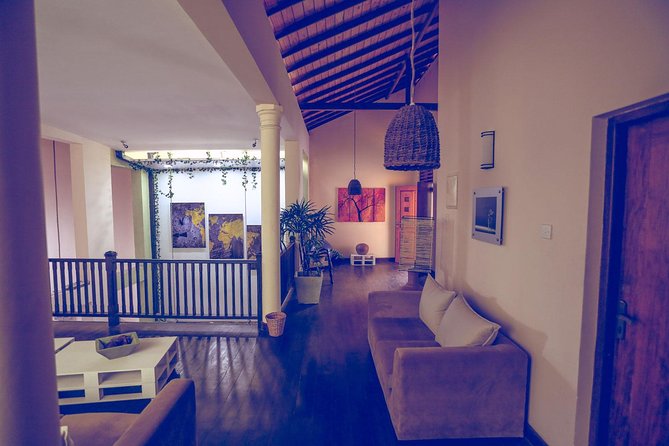
- Stay outside central Colombo: The villa is near Sri Lanka’s Parliament and Diyawanna Lake, about 9 kilometers from central Colombo.
- Allow five hours: The experience runs from roughly 9:30 a.m. to 3:30 p.m., with timing affected by traffic and transfers.
Start with a market visit near Sri Lanka’s Parliament
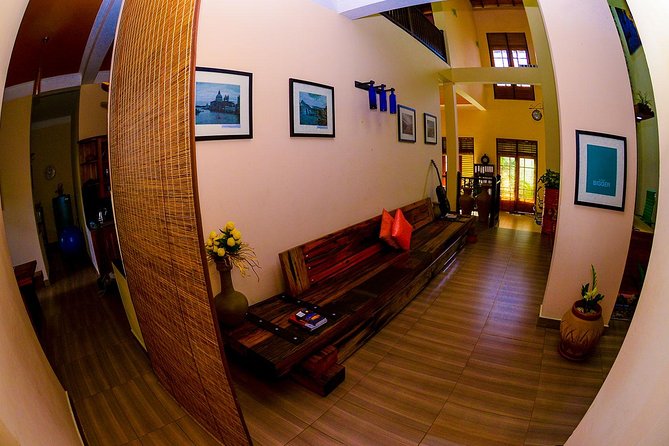
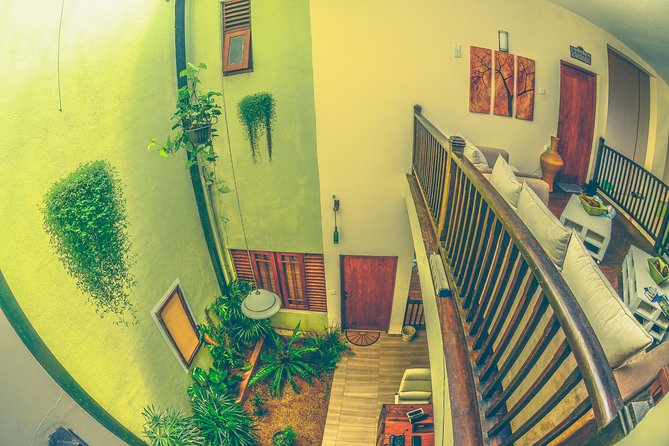
The day begins at Travel Footprint in the Sri Jayawardenepura Kotte area, not in the thick of central Colombo. The listed setting is close to the Sri Lankan Parliament, the Immigration Office, and Diyawanna Lake, in a greener part of the capital. That matters because this is not just a quick restaurant lesson in a city center kitchen. The villa setting gives the experience a quieter, residential feel.
You are welcomed with freshly made fruit juice or a herbal drink before getting ready for the market visit. The schedule allows time to refresh at the villa, which may be useful after a transfer or a hot morning in Colombo.
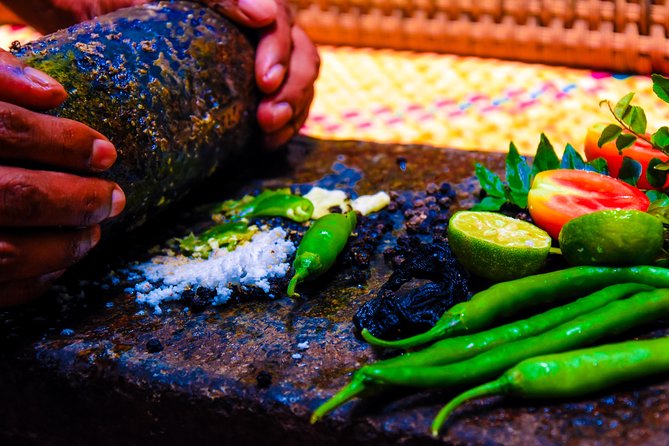
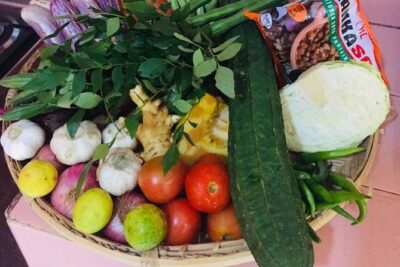
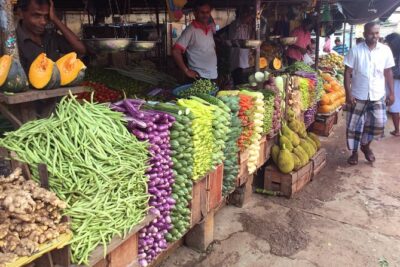
At the market, your guide helps you identify the vegetables, spices, and other ingredients used in the meal. This is one of the strongest parts of the experience for me. Sri Lankan recipes often look straightforward on paper, but the quality and selection of the raw ingredients affect the final dish. You learn what fresh produce should look like and how local cooks decide what to buy.
The market is described as similar in feel to an European-style eco shop, although the practical value is different from simply browsing a food hall. The purpose is to understand what goes into a Sri Lankan kitchen and how the ingredients are chosen. You might see unfamiliar leafy greens, local vegetables, or spice combinations that are difficult to identify from a recipe alone.
The market portion also helps with a common problem: language. Instead of trying to ask vendors about every ingredient yourself, you have a local guide to explain what you are seeing. That makes the stop useful even if you have never cooked South Asian food before.
Do not expect a polished sightseeing market tour with a long list of historic facts. The appeal is practical. You are there to learn how people select ingredients before cooking them.
More cooking classes in Colombo:
- Colombo Cooking Class
★ 5.0 · 151 reviews - Market Tour and Hands-On Cooking Class Colombo
★ 5.0 · 140 reviews - Cooking Class Sri Lanka with Locals
★ 5.0 · 101 reviews
A private kitchen where you do the work
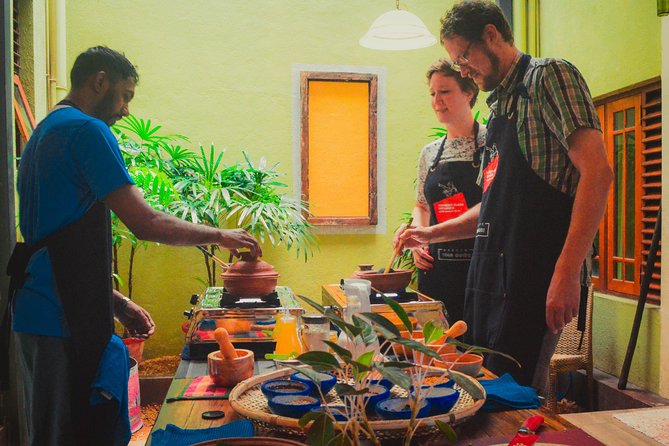
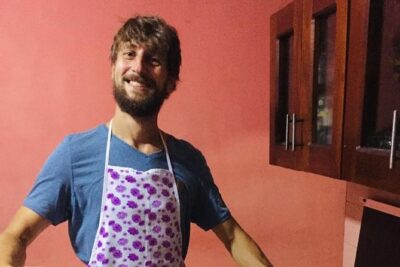
After the market, you return to the villa for the cooking lesson. This is a private activity, so only your group participates. That gives you more freedom to ask questions, repeat a technique, or adjust the menu to suit your tastes.
The class is intended to be hands-on. You should expect to take part in preparing sauces, spice pastes, fillings, and other components rather than simply watching the chef demonstrate them. This is a useful distinction when comparing cooking classes. A short demonstration can be entertaining, but it does not necessarily give you the confidence to repeat the dish at home.
The kitchen is described as fully furnished, and the teaching style focuses on clear explanations and practical instruction. The chef and helper are available to answer questions and explain the reasons behind each step. If you are new to Sri Lankan food, that direct access is valuable. You can ask why a spice is used, how a curry should look before serving, or how to adjust the heat.
The menu can also be tailored. At booking, you should give the operator any dietary requirements and state clearly that you want the vegan selections. This point is important because the published menu includes Sri Lankan chicken curry alongside dhal curry, potato curry, coconut sambol, and fried mushroom. The title promises a vegan class, but the menu is broader than that title suggests.
Clay pots and the slow side of Sri Lankan cooking
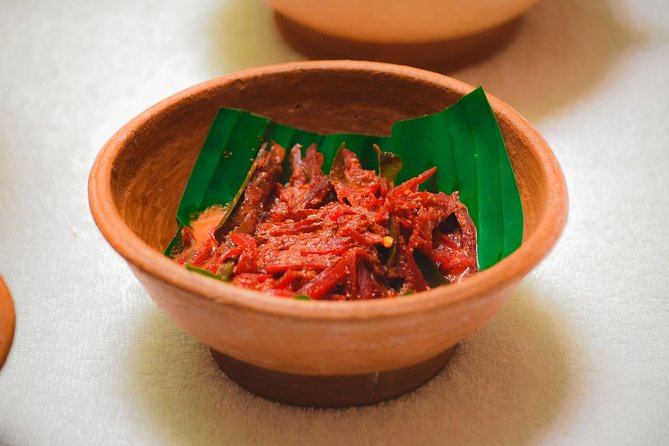
Cooking in clay pots gives this class its clearest physical connection to local tradition. Clay pottery has long been used in Sri Lanka, and a properly seasoned pot can help food cook slowly and retain moisture.
The porous walls absorb water, which helps prevent food from drying during longer cooking. The result is especially suited to curries and other dishes that benefit from gentle heat. The class presents this as part of the flavor, not just a decorative touch.
You should not expect the clay pot to transform a dish by itself. Good ingredients, spice balance, heat control, and timing still matter. But using the pot helps you understand why a Sri Lankan curry may taste different from one prepared in a modern metal saucepan.
The clay cookware is also a useful takeaway in the broader sense. You learn a cooking method that is tied to local craft and household practice, rather than receiving only a list of ingredients. If you cook Sri Lankan food at home later, you may not have the same pots, but you will understand the purpose behind the slower method.
Choose your rice, curry, and leafy mallum
The meal is substantial, and the format gives you several choices. For rice, you select one of the following:
- White rice
- Yellow rice
- Brown rice
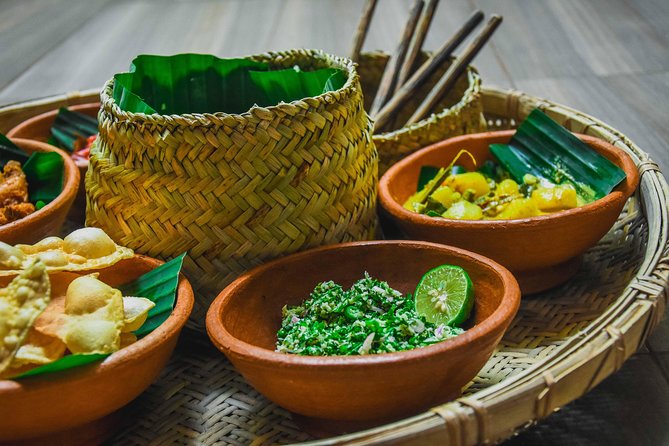
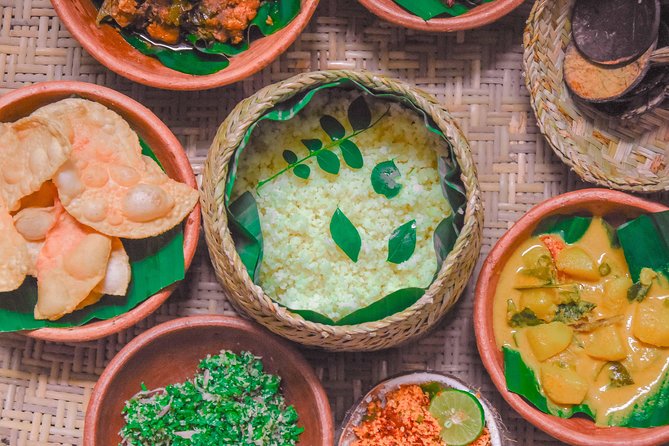
The curry and side-dish options include Sri Lankan dhal curry, coconut sambol, potato curry, and fried mushroom. A chicken curry is also listed, but request the vegan menu in advance if you do not want animal products used in the meal.
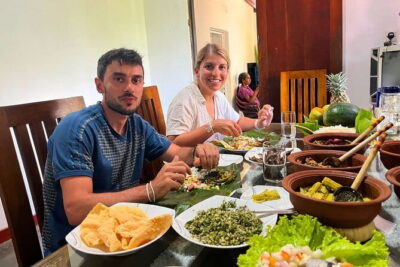
You also choose one leafy mallum, a chopped leafy preparation mixed with seasonings. The listed choices are gotukola, mugunuanna, gova mallum, kankun mallum, and aguna kola mallum. These names may be unfamiliar, which is exactly why the class format helps. You get to see the greens, learn how they are handled, and understand how a leafy side fits into a Sri Lankan meal.
Papadum is included as an enhancer, adding a crisp contrast to the softer rice and curries. The final spread is not one single dish. It is a lesson in how Sri Lankan meals combine different textures, temperatures, and levels of heat.
This range also gives you a chance to tailor the food. If you prefer milder flavors, say so early. If you want to focus on vegetables, leafy mallum, dhal, potato curry, sambol, and fried mushroom provide a clear path. If you are booking for a mixed group, confirm exactly how the kitchen will handle different preferences.
A different kind of day, still starting in Colombo:
- Colombo: Private Tuk-Tuk City Tour with All Entry Fees
★ 4.9 · 2,154 reviews - Sri Lanka Personal Tour Driver in private vehicle
★ 5.0 · 747 reviews - Colombo Tuk Tuk City Tour -Sightseeing Entry Fees & Food Included
★ 5.0 · 678 reviews - Udawalawe National Park: Elephant Safari with Expert Guide
★ 4.9 · 641 reviews
From spice paste to a full meal
Sri Lanka has many curry styles, and the differences are not always obvious from the dish name. Cooking methods, spice mixtures, coconut, vegetables, and timing can change the taste considerably.
That is where the chef’s guidance earns its keep. Online recipes often tell you what to add, but not always how the mixture should smell, how long it should cook, or when the texture is right. During a private lesson, you can ask about those small judgments as they happen.
The class is also useful for cooks who want more than a tourist souvenir. You are not simply rolling one item or assembling a snack. The stated menu covers rice, curries, a leafy salad, sambol, papadum, dessert, and drinks. Making several dishes helps you see how the parts work together.
Expect the lesson to be paced around the market and the meal, not around a rigid restaurant kitchen timetable. The total duration is about five hours. Traffic can affect transfers, and the schedule may shift slightly according to the day’s conditions.
Finish with buffalo curd, fruit, and tea
Once the savory food is ready, the meal ends with dessert and drinks. The listed choices include tea or coffee, tropical fruits, and buffalo curd with honey.
Buffalo curd is one of the more distinctive items on the menu. It is thick, cool, and tangy, with honey providing sweetness. If you have eaten only familiar Western desserts in Sri Lanka, this gives you a better sense of local food habits.
Bottled water and light refreshments are included. A local beer is offered as a tasting option, but alcoholic drinks are not included in the price. The experience is still suitable for a non-drinker, and you should not feel obliged to add alcohol to make the meal complete.
The food is the natural end point of the lesson. You can eat what you helped prepare and compare the different methods used across the dishes. The setting near Diyawanna Lake and the green belt around the villa should feel calmer than central Colombo, with the chance to hear birds rather than constant city traffic.
What the $80 price really covers
The listed price is $80 per person. For a five-hour private class, that is a fairly strong value if you want personal instruction and a market visit rather than a short group demonstration.
You are paying for more than the final meal. The price covers a professional guide, local taxes, bottled water, tea or coffee, light refreshments, and the cooking activity. It also includes the market portion and the use of the villa kitchen and clay cookware.
The value improves for people who will actually use what they learn. If you plan to recreate Sri Lankan food at home, the shopping advice and hands-on work may be more useful than a standard restaurant meal. You also have the chance to ask questions specific to your own cooking habits.
The price is less attractive if you are mainly looking for a quick tasting or a central-city activity. Five hours is a large part of the day, and the villa is about 9 kilometers from central Colombo. You also need to check transport carefully. Pickup is mentioned among the experience features, but hotel pickup is specifically listed as not included, and hotel drop-off is not included either. Confirm the arrangement before paying.
Who will get the most from this class
I would choose this experience if you enjoy cooking, want direct help from a local chef, or are tired of watching demonstrations where someone else does all the work. It is also a good match for families and small groups because the private format lets everyone participate.
The class has worked well as a birthday activity and for family celebrations. It can suit mixed-age groups, provided everyone is comfortable with a five-hour schedule and the market visit. The quiet villa setting may be a welcome break from Colombo’s traffic.
Vegetarians and vegans should contact the provider before the day. The experience is advertised as vegan, but the listed dishes include chicken and the general menu appears to cover both vegan and non-vegan preferences. Clear communication is the easiest way to avoid confusion.
This is less suitable if you want a highly structured culinary course with professional kitchen equipment, formal certification, or a short transfer from your hotel. It is a local home-style experience, and part of its appeal is the informal setting.
Timing, meeting point, and small practical details
The published operating hours are Monday through Sunday, from 9:30 a.m. to 3:30 p.m., for a duration of about five hours. The meeting point is Travel Footprint in the Kollupitiya and Sri Jayawardenepura Kotte area, with the activity ending back at the meeting point.
Wear smart-casual clothing. You should also allow extra time for traffic, since transfer duration is approximate and depends on the time of day. Cruise ship passengers need to provide the ship name, docking time, disembarkation time, and re-boarding time when booking.
Confirmation is sent at booking. Free cancellation is available up to 24 hours before the start time for a full refund. Changes or cancellations inside that window are not accepted for a refund. The activity requires good weather, so a weather cancellation results in an alternative date or a full refund.
Should you book the Colombo vegan cooking class?
Book it if you want to understand Sri Lankan food through its ingredients and cooking methods, not just eat a curry at a restaurant. The market-to-kitchen format, private instruction, clay pots, and fully hands-on preparation make this more useful than a standard cooking demonstration.
Before booking, confirm three things: the vegan menu, the exact pickup arrangement, and the meeting point. If those details suit you, the $80 price is reasonable for a private five-hour experience with a full meal and direct access to a local chef.
Skip it if you have only a short stop in Colombo, dislike market visits, or want a quick activity near your hotel. For everyone else, this is a practical and personal way to leave Sri Lanka with recipes, shopping sense, and a better feel for how local meals are built.
FAQ
How long does the cooking class and market tour last?
The experience lasts approximately five hours. The listed operating hours are 9:30 a.m. to 3:30 p.m., Monday through Sunday.
How much does the experience cost?
The listed price is $80 per person.
Is the cooking class private?
Yes. This is a private activity, and only your group participates.
Is hotel pickup included?
Hotel pickup and hotel drop-off are listed as not included. Pickup is mentioned as an available feature, so confirm the exact transport arrangement before booking.
Where does the experience start and end?
It starts at Travel Footprint in the Kollupitiya and Sri Jayawardenepura Kotte area of Colombo. The activity ends back at the meeting point.
What food can I learn to prepare?
The listed choices include white, yellow, or brown rice; dhal curry; coconut sambol; potato curry; fried mushroom; chicken curry; one leafy mallum; and papadum. Dessert options include buffalo curd with honey and tropical fruits, with tea or coffee.
Can I request vegan or vegetarian dishes?
You should advise the provider of dietary requirements at booking. A vegetarian option is available, and you should specifically confirm the vegan menu because chicken curry also appears among the listed choices.
What happens if the weather is poor?
The experience requires good weather. If it is canceled because of poor weather, you will be offered another date or a full refund. You can cancel for a full refund up to 24 hours before the start time.
More Markets in Colombo
- Colombo Cooking Experiance with Explore Market
★ 4.7 · 33 reviews - Market Tour and Cooking Class from Colombo
★ 5.0 · 5 reviews - Colombo: Local Market Tour & Cooking Demo with Lunch
★ 4.6 · 3 reviews
More Food in Colombo
- Colombo Local Food Tour by Tuk Tuk – All Inclusive
★ 4.9 · 261 reviews - Colombo Express Food Tour with 9 + Tastings
★ 5.0 · 200 reviews - Colombo: Private City Tour with Local Food Tour by Tuk-Tuk
★ 4.8 · 186 reviews - The 10 Tastings of Colombo With Locals: Private Street Food Tour
★ 4.5 · 71 reviews
Just added around Colombo
- Sri Lanka: Sinharaja rainforest tour from Colombo, Bentota★ 5.0 · 3 reviews
- From Colombo: Yala National Park Safari with Transfer★ 5.0 · 3 reviews
- All-inclusive Sigiriya, Dambulla and Wildlife Safari from Colombo★ 5.0 · 3 reviews
- Colombo: Local Food Tour & Sightseeing by Tuk-Tuk with Meals★ 4.0 · 3 reviews
- Colombo City to Dambulla City Private Transfer★ 5.0 · 3 reviews
- Safari Day Tour to Sigiriya Lion Rock and Golden Cave Temple★ 5.0 · 3 reviews
- Airport Taxi Transfers from Colombo Airport to Sigiriya★ 4.5 · 3 reviews
- Day Excursion to Yala National Park From Colombo★ 4.5 · 3 reviews
Colombo Cooking Classes, compared.
Authentic Sinhalese Cooking Class in Colombo with a Local Family
Read our review →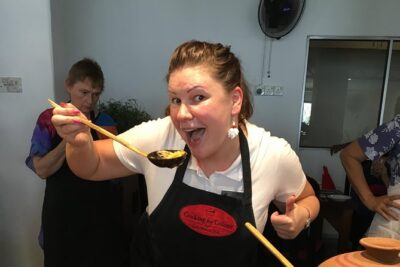
Browse the lists this tour appears in